
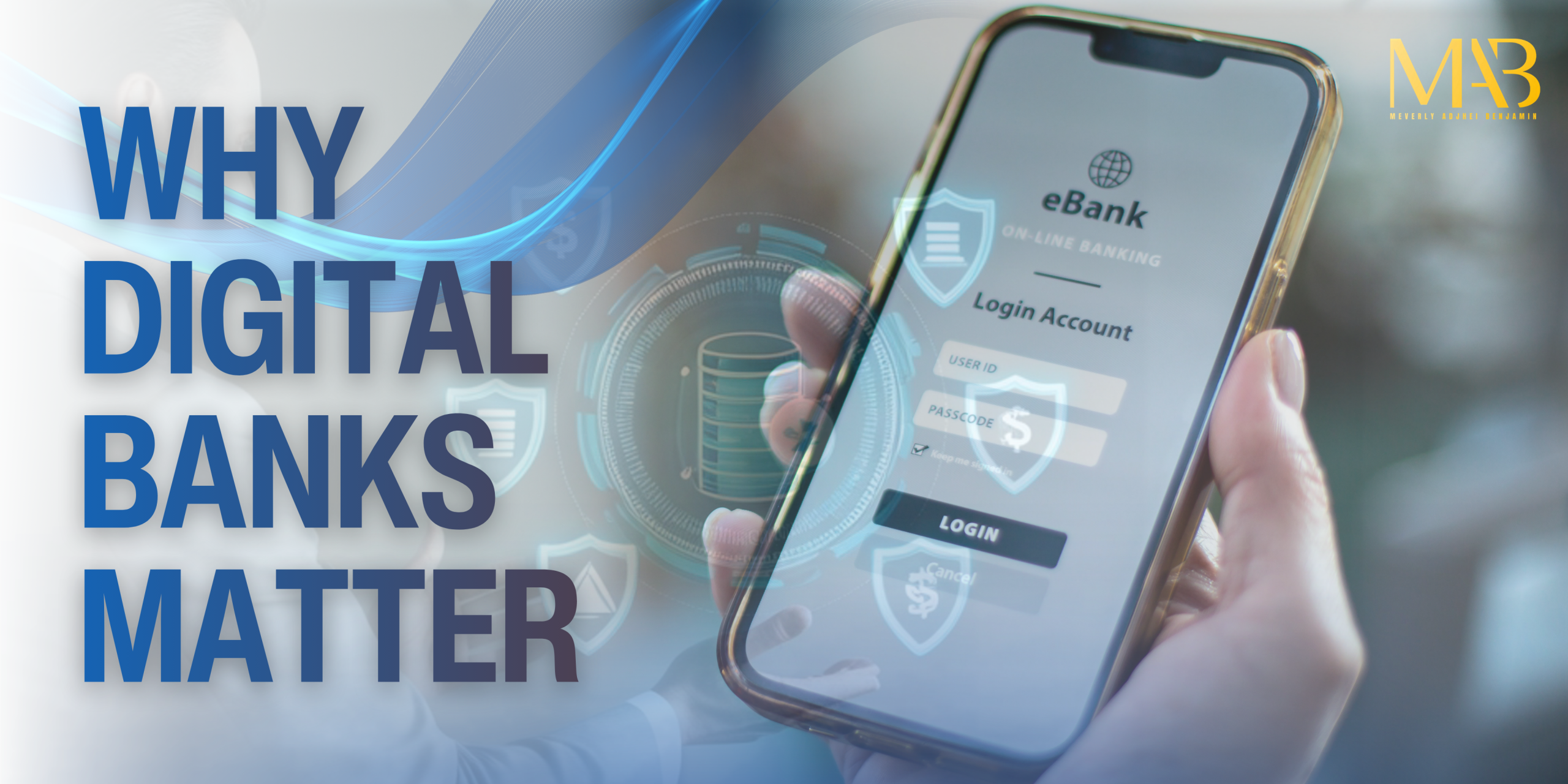
Why Digital Banks Matter: The Growing Importance of Digital Banking Today
In today’s fast-paced, technology-driven world, the way we manage money has changed dramatically. Mobile banking apps, digital wallets, blockchain technology, and AI-powered financial services have reshaped everyday banking, making it faster, more convenient, and more personalized than ever before. Tasks that once required a visit to a physical bank—such as checking account balances, transferring funds, or paying bills—can now be done instantly online. At the center of this shift is digital banking, which continues to grow in importance as consumers demand seamless financial services.
What Is Digital Banking?
Digital banking is an extension of traditional banking that delivers financial services primarily through online platforms rather than face-to-face interactions at physical branches. It relies on internet and mobile technologies to automate processes and provide services such as deposits, withdrawals, fund transfers, bill payments, loans, and account management through websites or mobile apps.
While digital banking operates online, it is designed to offer the same core services traditionally provided by bank branches, debit or credit cards, and ATMs. Security is also a critical component. Effective digital banks prioritize data protection, risk management, and regulatory compliance to ensure customer trust and financial safety.
Why Do Digital Banks Matter?
The primary goal of digital banking is to simplify the banking experience and make financial services accessible anytime and anywhere. As long as customers have an internet-connected device, they can monitor accounts, complete transactions, and manage finances without geographic limitations.
Digital banks also expand the range of services available by transforming traditional banking activities into fully digital experiences. Innovative offerings such as digital-only accounts, e-wallets, and secure online payment systems attract a growing number of users. In addition, digital banking often provides more cost-effective solutions, including faster payments, easier access to loans and investments, and lower fees or interest rates compared to traditional banking options.
These technological advancements have fundamentally changed the financial landscape. Traditional financial institutions are now being pushed to rethink their business models, customer engagement strategies, and operational processes. As a result, the banking industry is experiencing intense competition between digital-native banks and established institutions, all striving to stay relevant in an increasingly digital marketplace.

No responses yet