
Mastering the Art of Communicating Across Different Teams
In today’s interconnected workplace, effective communication isn’t just about conveying information; it’s about building bridges between diverse teams with unique perspectives, goals, and communication styles. Whether you’re collaborating across departments, locations, or even cultures, mastering the art of communication is essential for fostering synergy and achieving collective success. Let’s delve into some strategies to navigate the complexities of communicating across different teams.
Understanding Diverse Communication Styles
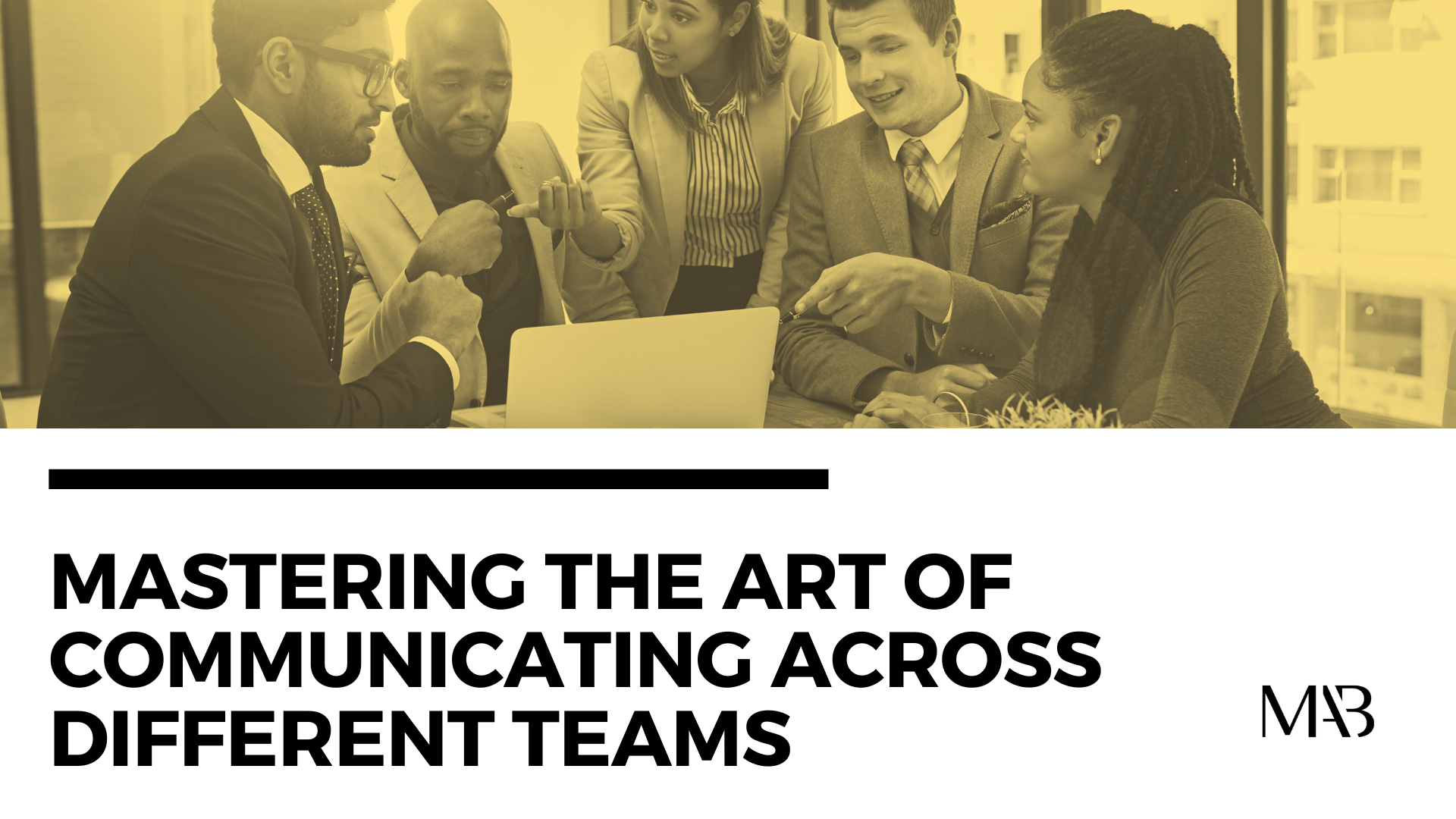
Teams often comprise individuals with varied communication preferences. Some team members might prefer concise emails, while others thrive in face-to-face discussions. Recognizing and respecting these differences is the first step towards effective communication. Take the time to understand the preferred communication channels and styles of each team. Whether it’s through formal assessments or casual conversations, gaining insight into these preferences can streamline communication and reduce misunderstandings.
Foster Openness and Transparency
Transparency breeds trust, and trust is the cornerstone of effective communication. Encourage an environment where team members feel comfortable sharing their thoughts, concerns, and ideas openly. This openness not only facilitates smoother communication but also fosters a culture of collaboration and innovation. Whether it’s through regular team meetings, feedback sessions, or anonymous suggestion boxes, prioritize channels that promote transparency and inclusivity.
Embrace Technology as a Facilitator
In today’s digital age, technology serves as a powerful facilitator of communication across diverse teams. From project management platforms to instant messaging apps, there’s a plethora of tools available to streamline communication and collaboration. However, it’s essential to strike a balance between leveraging technology and maintaining human connections. While digital tools enhance efficiency, they should complement—not replace—face-to-face interactions and personal relationships.
Cultivate Active Listening Skills
Communication isn’t just about speaking; it’s also about listening attentively. Cultivate active listening skills within your team by encouraging members to engage fully in conversations, ask clarifying questions, and paraphrase to ensure understanding. By fostering a culture of active listening, you demonstrate respect for others’ perspectives and encourage meaningful dialogue, ultimately leading to stronger relationships and better outcomes.
Bridge Cultural and Linguistic Barriers
In an increasingly globalized world, teams often span across cultures and languages, presenting unique communication challenges. To bridge these barriers, invest in cultural awareness training and language support initiatives. Encourage team members to embrace diversity and seek common ground while remaining sensitive to cultural nuances. By fostering a culture of inclusivity and respect, you can harness the collective strength of a diverse team while minimizing communication barriers.
Lead by Example
As a leader or team member, your actions speak louder than words. Lead by example by embodying the principles of effective communication in your interactions with others. Be proactive in seeking clarity, providing constructive feedback, and fostering an environment where every voice is heard and valued. Your commitment to effective communication sets the tone for the entire team and inspires others to follow suit.
Conclusion
Communicating across different teams is both an art and a science—one that requires empathy, adaptability, and continuous effort. By understanding diverse communication styles, fostering openness and transparency, leveraging technology thoughtfully, cultivating active listening skills, bridging cultural barriers, and leading by example, you can navigate the complexities of inter-team communication with confidence and finesse. Remember, effective communication isn’t just about conveying information; it’s about forging connections, building trust, and achieving collective success.

No responses yet